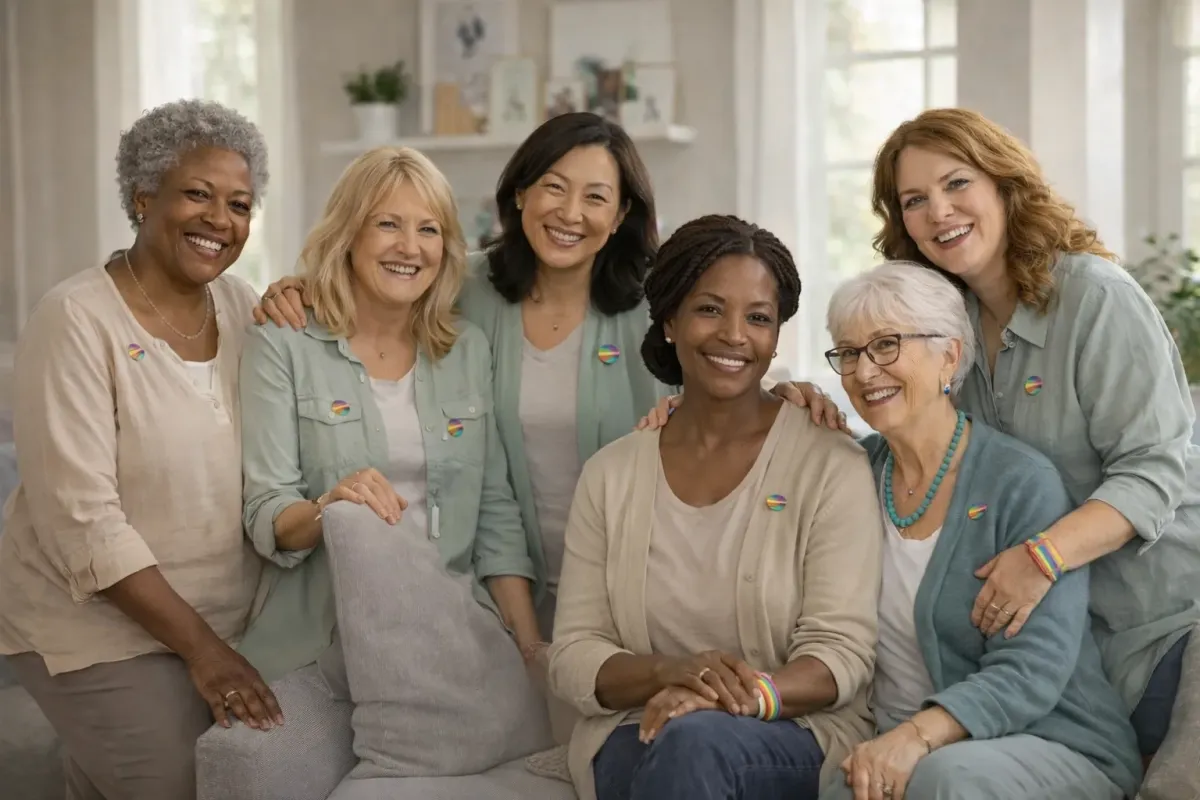
Why a Late Life Lesbian Support Group Will Change the Way You Heal
Why a Late Life Lesbian Support Group Will Change the Way You Heal
![[HERO] Why a Late Life Lesbian Support Group Will Change the Way You Heal](https://cdn.marblism.com/dXvgUD-ERI0.webp "[HERO] Why a Late Life Lesbian Support Group Will Change the Way You Heal")
Do you ever find yourself sitting on the sofa after everyone else has gone to bed, staring at the wall and wondering how you got here? You love your family. You’ve built a whole life, maybe a decades-long marriage, a career, a home. But there’s this persistent, quiet hum in the back of your mind. It’s a whisper that says, “This isn’t all of me.”
Coming out later in life is a journey unlike any other. It’s not just about realizing your sexuality; it’s about untangling years of expectations, societal conditioning, and perhaps even a bit of "compulsory heterosexuality" that kept your true self tucked away.
I know that feeling of isolation all too well. I remember feeling completely alone and like no one understood when I was going through my divorce knowing I was a lesbian. But I want to tell you something right now: You are not alone, and you don’t have to heal in the dark.
Finding a late life lesbian support group isn't just a "nice to have." It is a fundamental shift in how you process your past and step into your future. Let’s talk about why community is the secret ingredient to your healing.
The Myth of Being "The Only One"
When you are a late bloomer lesbian, isolation is often your biggest enemy. We spend years, sometimes decades, conforming to a narrative that wasn't written for us. Because we don't see many representations of women coming out at 40, 50, or 60, we assume we’re "broken" or "too late."
The moment you step into a support group, whether it’s a physical room or a digital space, that myth shatters.
There is a profound, visceral relief that happens when you hear another woman say, "I loved my husband, but I always felt like I was performing a role," or "I thought I just had really intense friendships with women." Suddenly, your "weird" experiences are actually shared experiences. This peer validation is the first step toward lowering your cortisol levels and realizing that your journey is actually a very normal (and beautiful) path.
Why "Regular" Support Often Isn't Enough
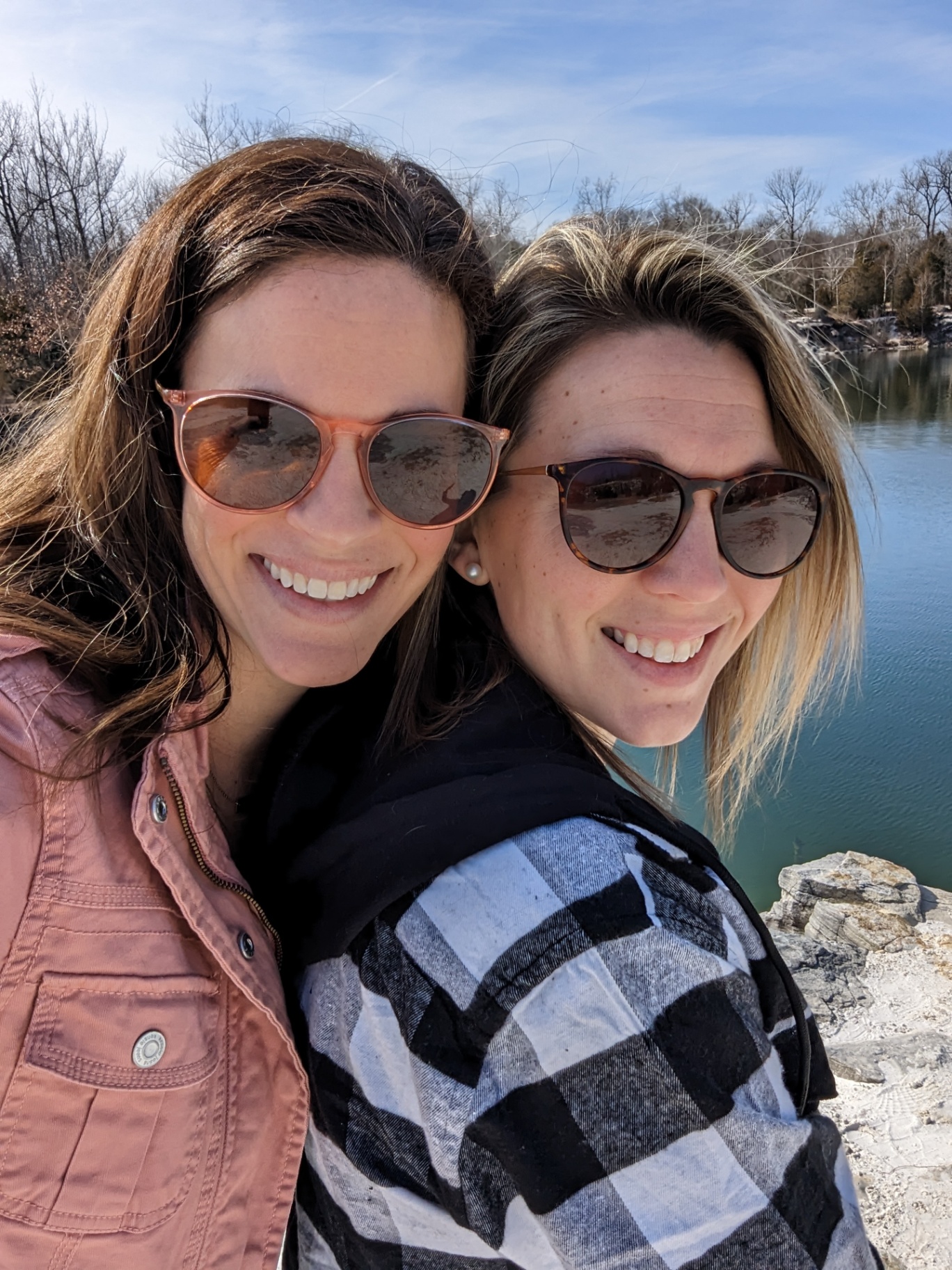
You might have a wonderful therapist or a very supportive best friend. And while that’s amazing, there is something specific about the late life lesbian experience that requires a specialized kind of understanding.
Your straight friends might try to empathize, but they don't know the specific grief of "what might have been." Your younger queer friends might be supportive, but they often can't relate to the complexities of navigating a divorce after 20 years of marriage or explaining your identity to children.
In a late life lesbian support group, the women around you "get it" without you having to explain the nuances. They understand:
The guilt of "disrupting" a stable family.
The confusion of distinguishing between admiration and attraction.
The fear of entering the dating world when you feel like a "teenager" in a grown woman’s body.
When you are surrounded by people who speak your specific language, the healing accelerates. You stop spending your energy explaining yourself and start spending it on growing.
Processing the Grief of "Lost Time"
One of the hardest parts of coming out later in life is dealing with grief. It’s a complex, multi-layered emotion. You might be grieving the end of a marriage, the loss of the "idealized" family structure, and the years you spent not living as your authentic self.
In my coaching work at The Late Life Lesbian, I see this often. Women feel like they’ve missed the boat. They look back and see all the signs they ignored, and they feel a sense of regret.
A support group provides a safe container for this grief. Research shows that peer support helps moderate symptoms of depression and anxiety by providing a space to reframe these stories. Instead of seeing "lost time," your community helps you see a "necessary journey." You learn to have compassion for the version of you that was just trying to survive in a world that didn't give her the tools to understand herself sooner.
Building Resilience Through Shared Strength
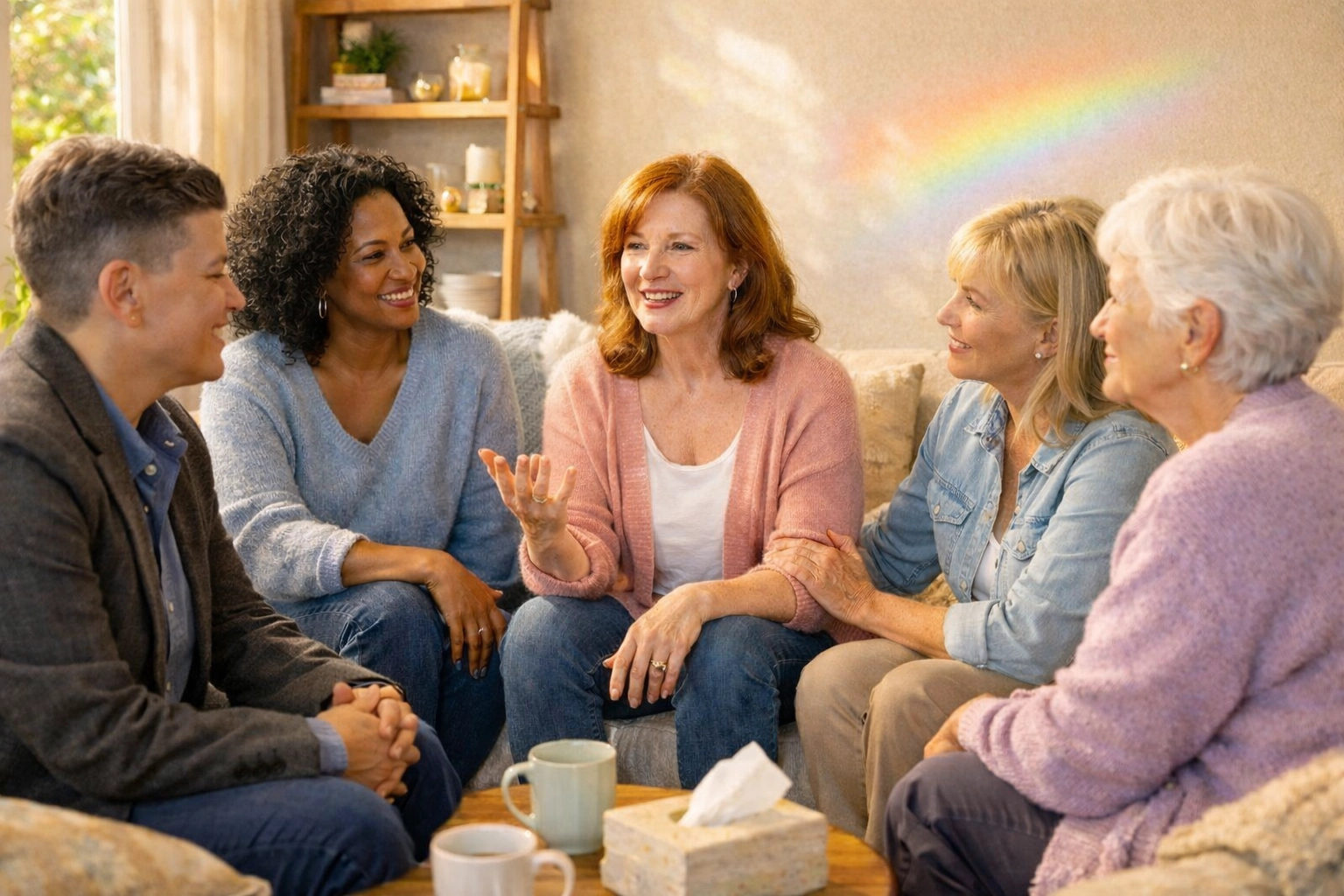
Healing isn't a linear path. There will be days when you feel empowered and days when you feel like retreating back into the closet. This is where the power of the group truly shines.
When you’re having a "low" day, there is always someone in the group who is having a "high" day. They can hold the lantern for you until you find your footing again. Conversely, when you have a breakthrough, maybe you went on your first date, or you finally had "the talk" with your sister, the group celebrates with a level of enthusiasm that only people who know the stakes can offer.
This collective resilience builds your own "bravery muscle." Seeing other women navigate the same hurdles gives you a roadmap. It turns the "impossible" into the "doable."
The Physical and Mental Health Shift
We can’t talk about healing without talking about your well-being. Carrying the secret of your identity is physically exhausting. It leads to chronic stress, sleep issues, and a constant state of "hyper-vigilance."
By joining a late life lesbian support group, you are literally giving your nervous system a chance to exhale. Connection impacts your sense of belongingness, which is a key pillar of mental health. Studies have shown that LGBTQ+ individuals who engage in peer support experience:
Reduced feelings of isolation.
Increased emotional resilience.
Greater self-acceptance.
A decrease in the symptoms of "minority stress."
When you feel accepted by a community, you start to accept yourself. And when you accept yourself, your body finally stops fighting itself.
From Questioning to Connected: Your New Narrative
The goal of healing isn't just to "get over" the struggle; it's to build a life that feels like yours.
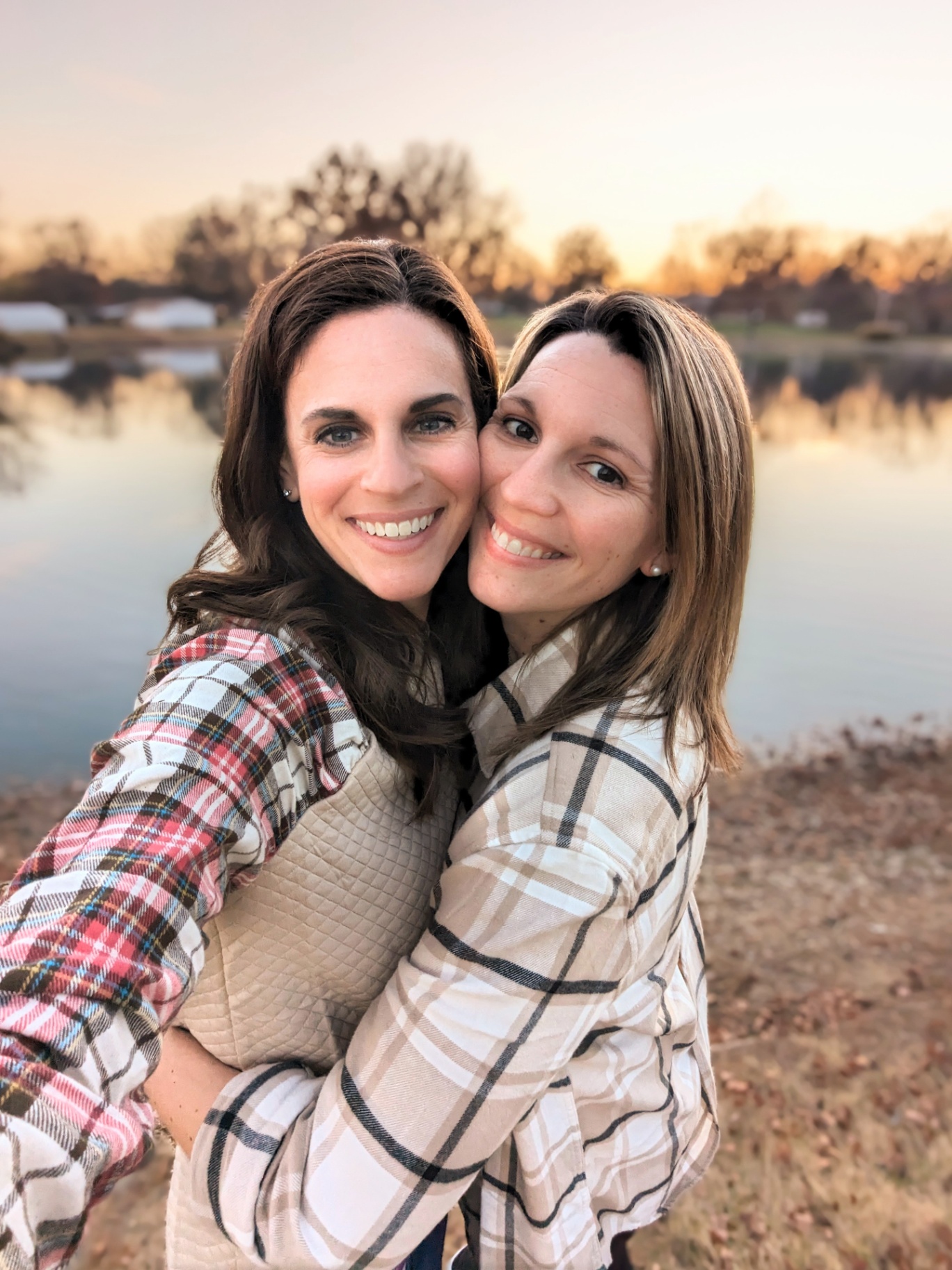
I’ve watched women move from a state of total confusion and fear to a state of vibrant, joyful connection. They go from being the woman staring at the wall at 10 PM to the woman hosting brunch with her new queer community.
This transformation happens because they stopped trying to do it alone. They leaned into the shared lived experience of others. They allowed themselves to be seen in their messy, middle-of-the-process glory.
If you are currently in that "questioning" phase, please know that the clarity you’re looking for often comes through conversation with those who have been there. You don't have to have all the answers before you join a community; joining the community is how you find the answers.
Are You Ready to Start Your Healing Journey?
If you’ve been reading this and nodding along, feeling that tug in your chest that says "I need this," then I want to invite you to take a gentle first step.
Come join myself and a whole group of women on this journey inside The Late Life Lesbian Community.
Coming out or even just questioning later in life is a big deal. It’s brave, it’s scary, and it’s a lot to process on your own. I’d love to help you find that clarity and confidence you’ve been searching for.
OR, if you feel like 1 on 1 support from someone who "gets it" would be a more helpful place to stary, I’m currently offering a free, 4-day, 1-on-1 experience designed specifically for women like you. It’s a safe, private space where we can look at your unique situation, address those "what if" fears, and start building the foundation for your authentic life.
Click here to fill out the interest form for your free 4-day 1-on-1 experience.
You’ve spent enough of your life taking care of everyone else’s needs and living by everyone else’s rules. It is finally time to take care of you. Your community is waiting for you, and your healing is closer than you think.
You’ve got this, and I’ve got you. 💖
